Google Ads vs. Meta Ads: How to Maximize ROI With Paid Advertising in 2026
By Apex Infotech SEO Team · November 14, 2026
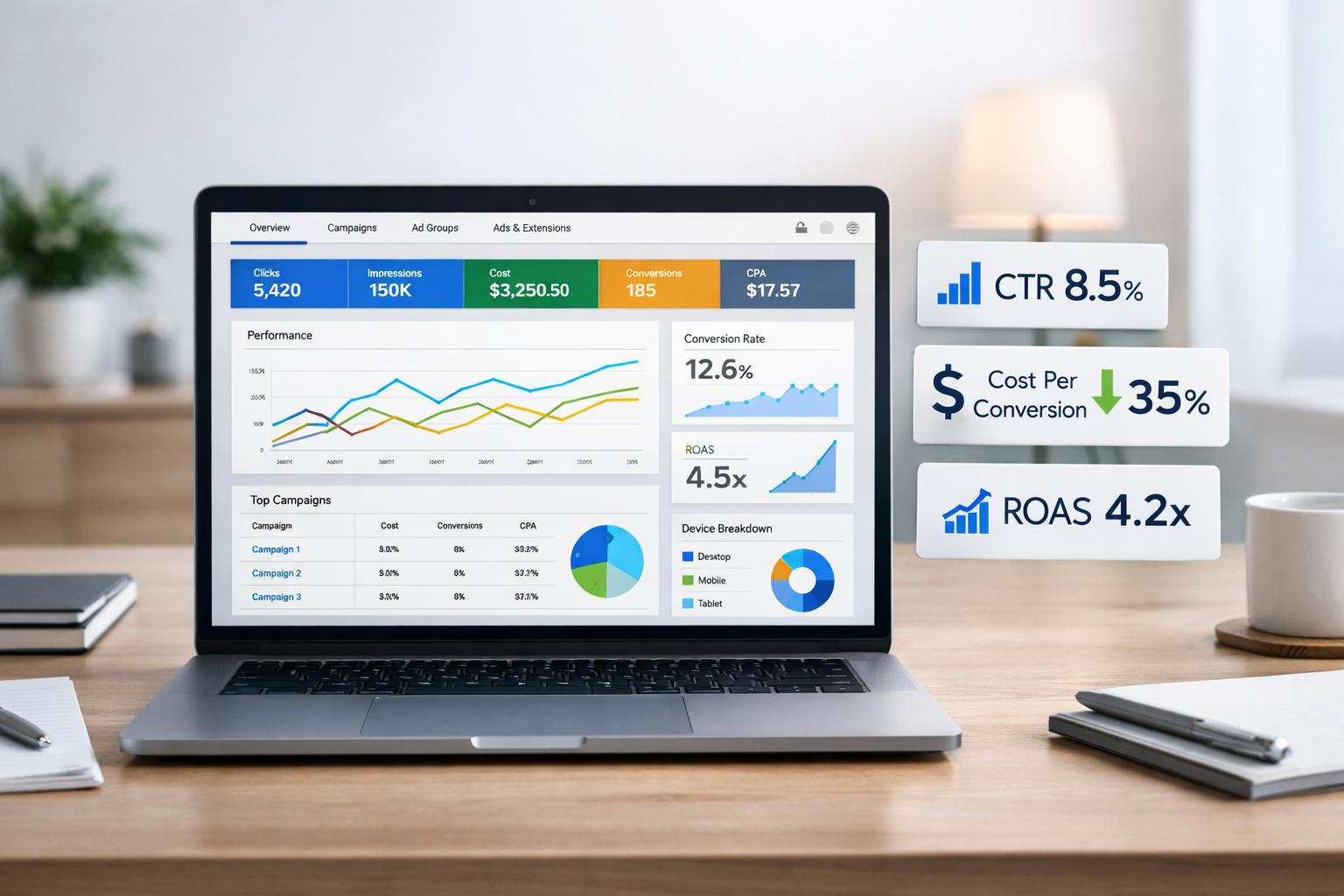
While Search Engine Optimization (SEO) builds sustainable long-term organic traffic, businesses often need immediate visibility, fast leads, and scalable sales. That is where Google Ads and Meta Ads (Facebook & Instagram) come in. When structured properly, paid advertising delivers predictable customer acquisition with measurable Return on Ad Spend (ROAS).
Google Ads vs. Meta Ads: Understanding the Core Difference
Although both platforms are advertising powerhouses, they capture customers at completely different stages of the buying journey:
- Google Ads (High-Intent Demand Capture): Reaches users at the exact moment they are actively searching for a product, service, or solution on Google Search, Shopping, or YouTube.
- Meta Ads (Demand Generation & Discovery): Reaches targeted audiences based on demographics, interests, and online behavior while they scroll through Facebook, Instagram, Reels, and Messenger.
When to Use Google Ads
Google Ads is ideal when your target audience already knows what they need and is actively comparing providers:
- Immediate Lead Generation: Service-based businesses (e.g., agencies, clinics, legal, home services, B2B) capture ready-to-buy prospects searching high-intent keywords.
- E-Commerce Sales via Google Shopping: Display product photos, prices, and reviews directly at the top of search results.
- Local Geo-Targeting: Dominate local search results and Google Maps for customers within specific cities, zip codes, or service areas.
When to Use Meta Ads (Facebook & Instagram)
Meta Ads excel at building brand demand, showcasing visual offers, and retargeting warm audiences at a lower cost-per-click (CPC):
- Visual Storytelling & Brand Awareness: Short-form video ads, carousels, and Reels introduce your brand to cold audiences who fit your ideal customer profile.
- High-Volume Lead Forms: Native instant forms allow prospects to submit inquiries directly inside Facebook or Instagram without leaving the app.
- Precision Retargeting: Re-engage users who visited your website, watched your videos, or abandoned a shopping cart—turning warm interest into conversions.
5 Proven Strategies to Maximize Your Paid Ad ROI
- Combine Both Platforms in a Full-Funnel Strategy: Use Meta Ads to generate awareness and capture attention, then convert high-intent searchers and retarget website visitors with Google Search and Display ads.
- Eliminate Wasted Spend With Negative Keywords & Exclusions: Regularly refine search term reports on Google and exclude irrelevant audience segments on Meta so every dollar goes toward qualified prospects.
- Invest in High-Converting Landing Pages: Never send paid traffic to a slow or cluttered homepage. Dedicated landing pages with clear headlines, social proof, and fast load speeds dramatically lower your Cost Per Acquisition (CPA).
- Set Up Accurate Conversion Tracking: Implement Google Analytics 4 (GA4), Google Tag Manager, and the Meta Pixel + Conversions API (CAPI) so platform algorithms optimize for real leads and revenue—not just clicks.
- Continuously A/B Test Creatives & Ad Copy: Test multiple headlines, hooks, visuals, and calls-to-action every month to prevent ad fatigue and scale winning campaigns.
Conclusion
You don’t have to choose exclusively between Google Ads and Meta Ads. By aligning keyword-driven search intent with visual social discovery and disciplined conversion tracking, your business can build a reliable, scalable growth engine.
Want to launch or optimize high-ROI ad campaigns? Partner with Apex Infotech SEO for data-driven Google Ads and Meta Ads management tailored to your business goals.